Urban Water Systems Research and Development

The Hong Kong University of Science and Technology · Civil & Environmental Engineering

A Paradigm Shift Towards Smart Pipeline Condition Assessment and Fault Detection

Pioneering the time reversal of waves to diagnose leaks, blockages and weak pipes, so urban water supply systems can be better built, instrumented, operated and managed.

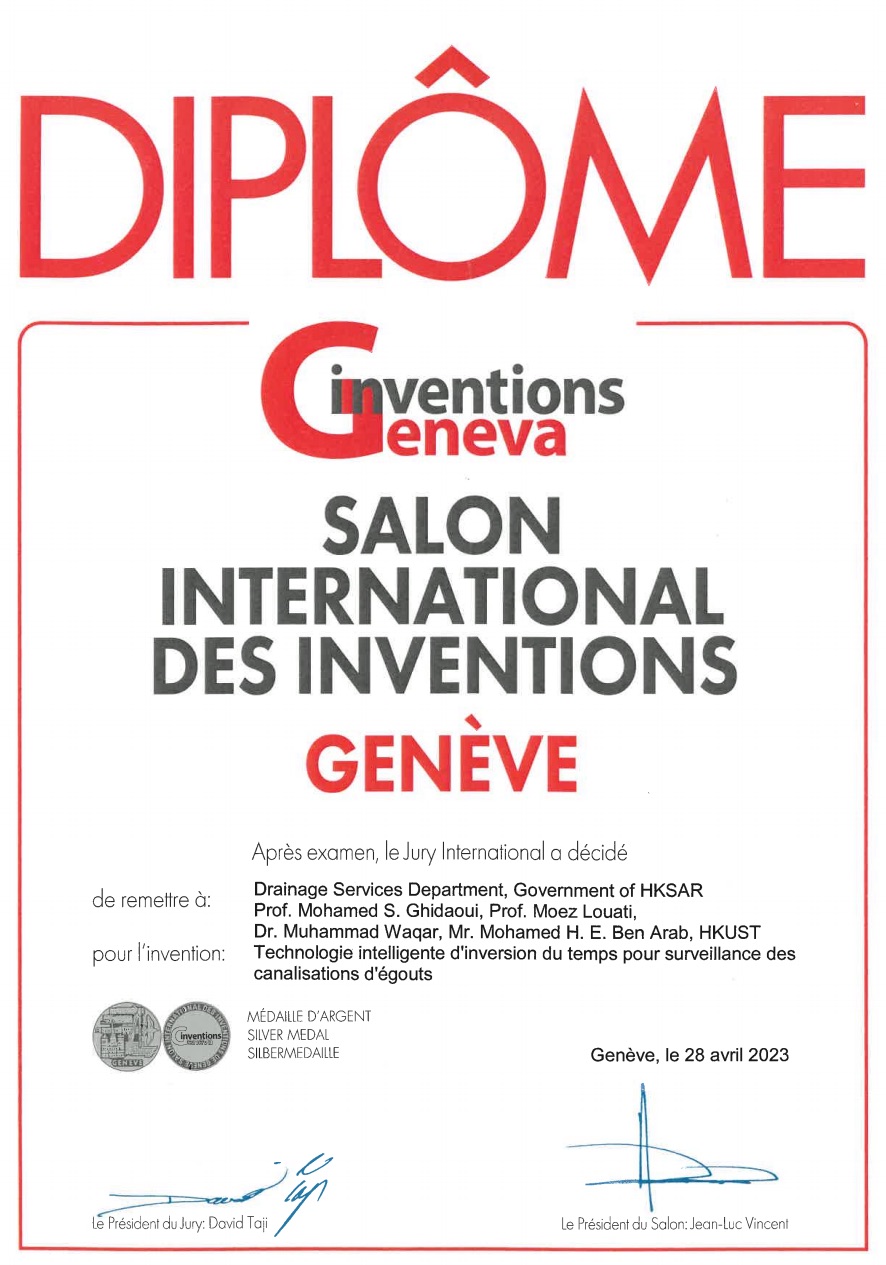
Silver Medal · 48th International Exhibition of Inventions Geneva, 2023

The urban infrastructure challenge

Safeguarding Aging Water Networks with Wave Physics

The problem

Hidden defects in buried pipes

The design and management of urban water supply systems are limited by how far, and how finely, we can collect data from buried and largely inaccessible pipelines. Leaks waste treated water, while blockages, partially closed valves and wall changes from corrosion, tuberculation or deposits raise energy losses and pumping costs. Current methods fail to provide the diagnostic resolution many of these problems need.
Our approach

Diagnosis with transient waves

We send actively generated pressure waves through the water and capture their echoes electronically. Transient-based inverse methods, founded on the time reversal of waves, then pinpoint and characterise leaks, blockages and weak pipes. Our Time Reversal Imaging project now targets anomalies at the millimetre scale.

  • Works through access points

    Waves are generated and measured at access points on live pipes. On our campus living lab they are controlled remotely through a web app.

  • Fast-travelling probe waves

    Pressure waves cross the network at kilometres per second, and any change in pipe condition leaves its trace in the signal.

  • One method, many defects

    The same measurements are used to locate and characterise leaks, blockages and weak pipes.

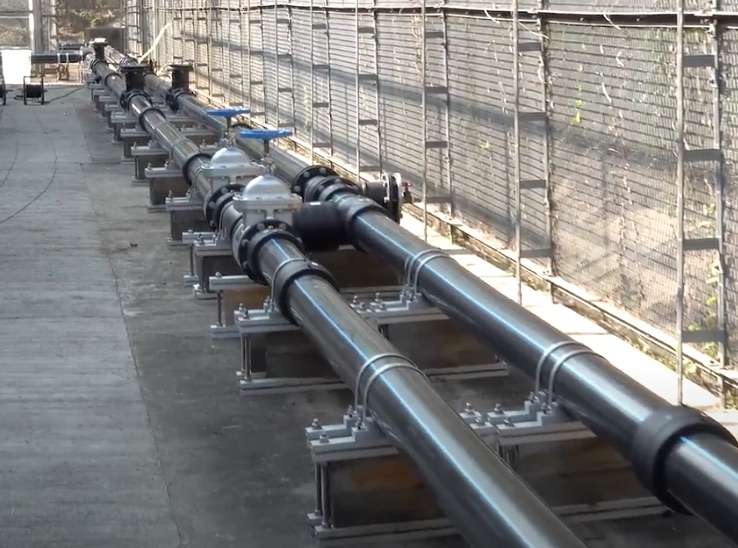
Black HDPE test pipeline with valves, mounted on steel supports
An experimental HDPE pipeline rig.

Proven track record

Research & Training Impact Highlights

  • 80+

    Journal publications

    In journals including the Journal of Hydraulic Research, Water Resources Research and Mechanical Systems and Signal Processing.

  • 30+

    Conference papers

    Including papers at the IAHR World Congress.

  • 4

    Patents

    1 filed and 3 in preparation, covering low-frequency, high-frequency and ambient-noise time reversal.

  • 19

    Post-docs and RAs trained

    Post-doctoral fellows and research assistants trained in the group.

  • 50+

    Students trained

    20 final-year projects, 27 research postgraduates and 5 high-school students.

  • Silver

    Geneva Inventions medal

    48th International Exhibition of Inventions Geneva, 2023, awarded jointly with the Drainage Services Department.

Experimental infrastructure

World-Class Research Facilities & Living Labs

Our methods are validated across laboratory rigs, a dedicated field-scale facility and two full campus water networks.

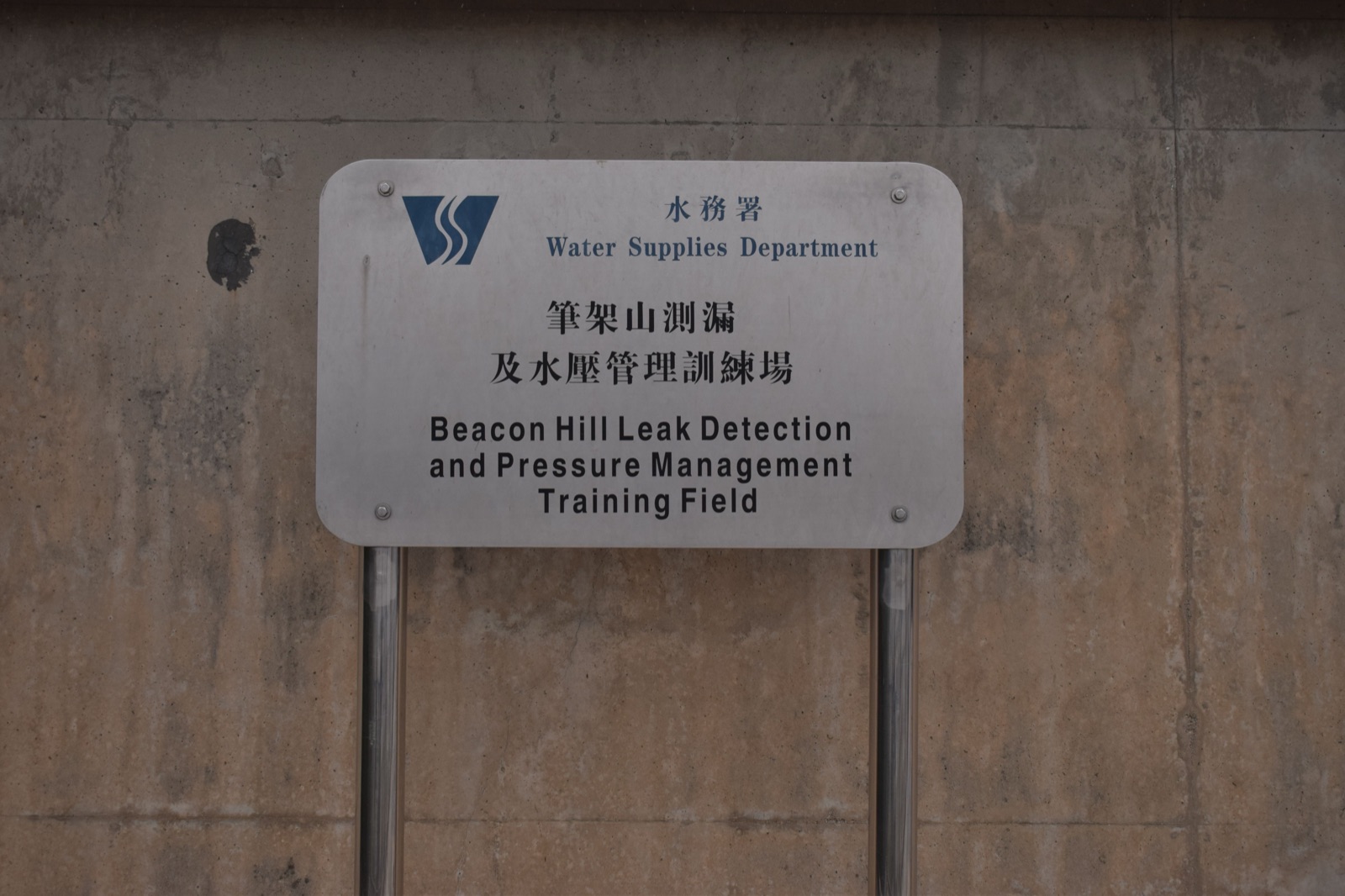
Water Supplies Department sign for the Beacon Hill Leak Detection and Pressure Management Training Field
Field-scale testbed

Beacon Hill Field-Scale Facility

Beacon Hill, Kowloon, Hong Kong

A 250 m network of 150 mm HDPE pipe fed from the Beacon Hill reservoir, with incoming pressure set from 0.5 to 6 bar, 8 access points, and valved cross-connections for single, branched or looped layouts.

View Beacon Hill details
  • Laboratory

    HKUST Hydraulic Laboratory

    HKUST, Clear Water Bay

    A 145 m, 79 mm HDPE pipe system with 24 bends and 5 junctions, driven by a booster pump or an air-pressure tank.

    Explore the HKUST lab
  • International partnership

    Water Engineering Laboratory (WEL)

    University of Perugia, Italy

    A 500 m HDPE pipe system revamped with HKUST, including 100 m laid in a pit to simulate buried pipes.

    Discover the Perugia lab
  • Test and training

    Q-Leak

    Hong Kong

    Three pipe loops in galvanised iron, ductile iron, mild steel and polyethylene, with up to 80 access points, isolated from the city network.

    View the Q-Leak facility
  • Living labs

    Campus Living Labs

    HKUST Clear Water Bay and Guangzhou

    Real campus water networks: 10 remotely controlled access points at Clear Water Bay, and 57 covering the entire 6.5 km network in Guangzhou.

    Explore the living labs
See all facilities

Government & industry impact

Validated on Active Municipal Networks

Beyond the lab, we apply our transient-based methods with Hong Kong’s water and drainage departments on live supply and sewage networks.

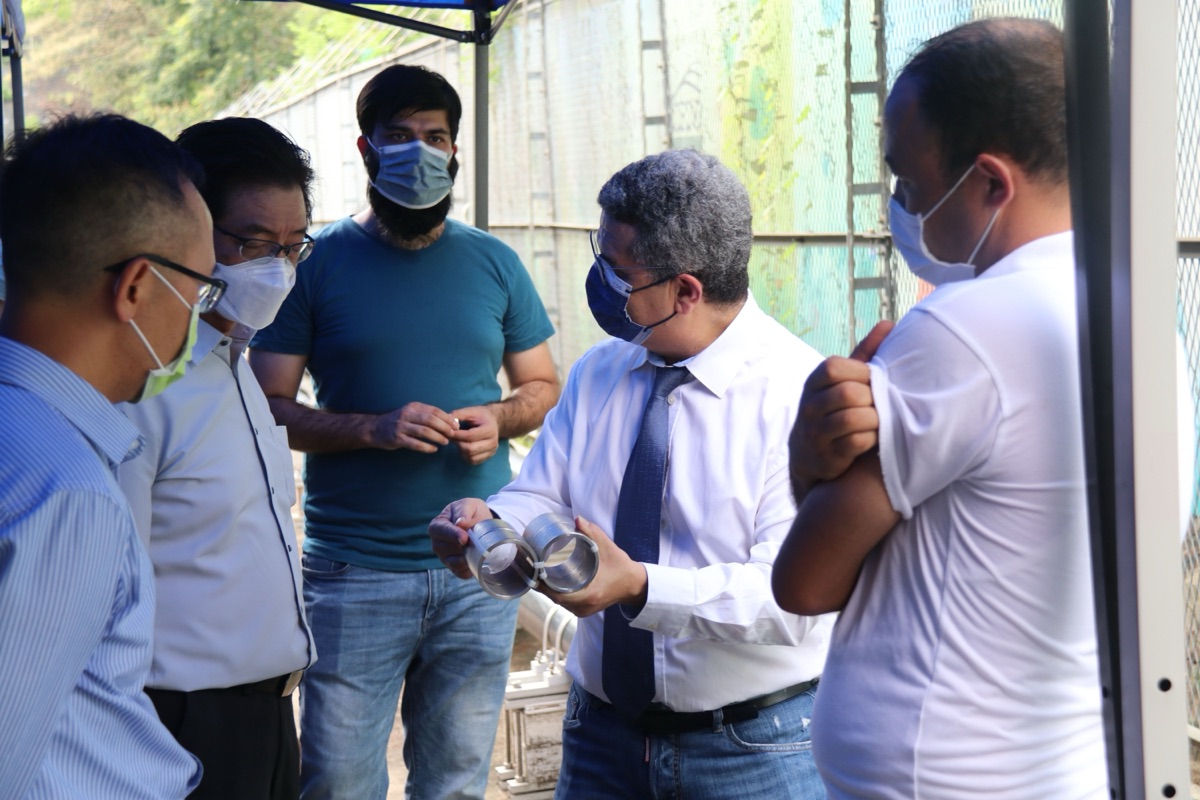
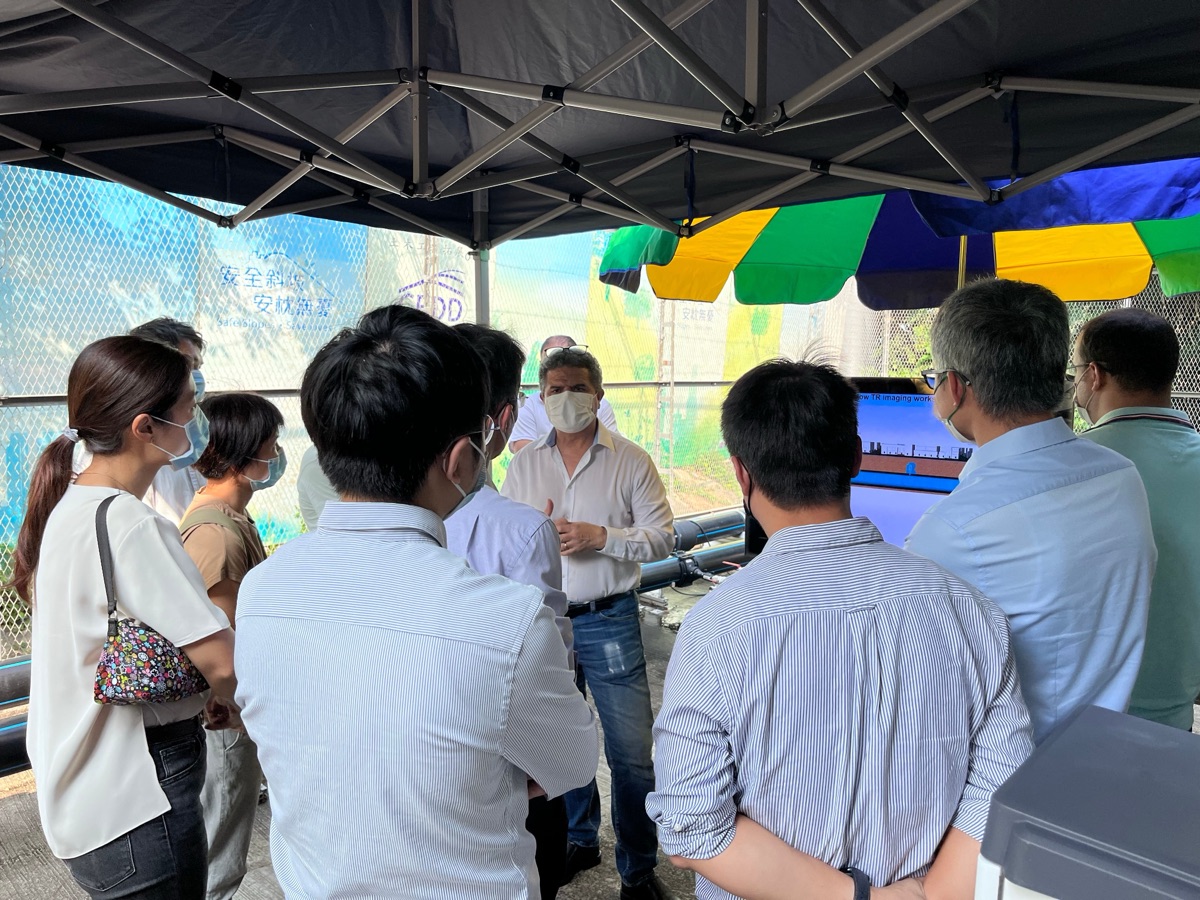
  • A researcher shows a pipe sample to Water Supplies Department visitors at Beacon Hill, September 2022

    Water Supplies Department

    Access points and field testing for defect detection

    Bringing transient-based defect detection from the lab to Hong Kong’s water supply network.

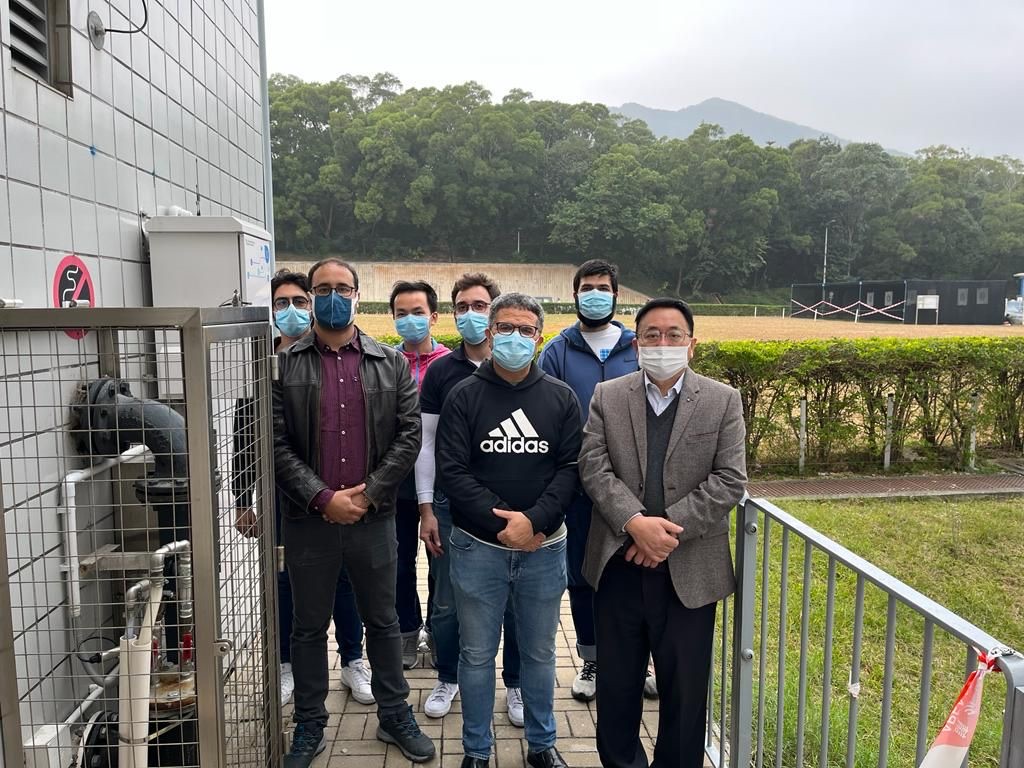
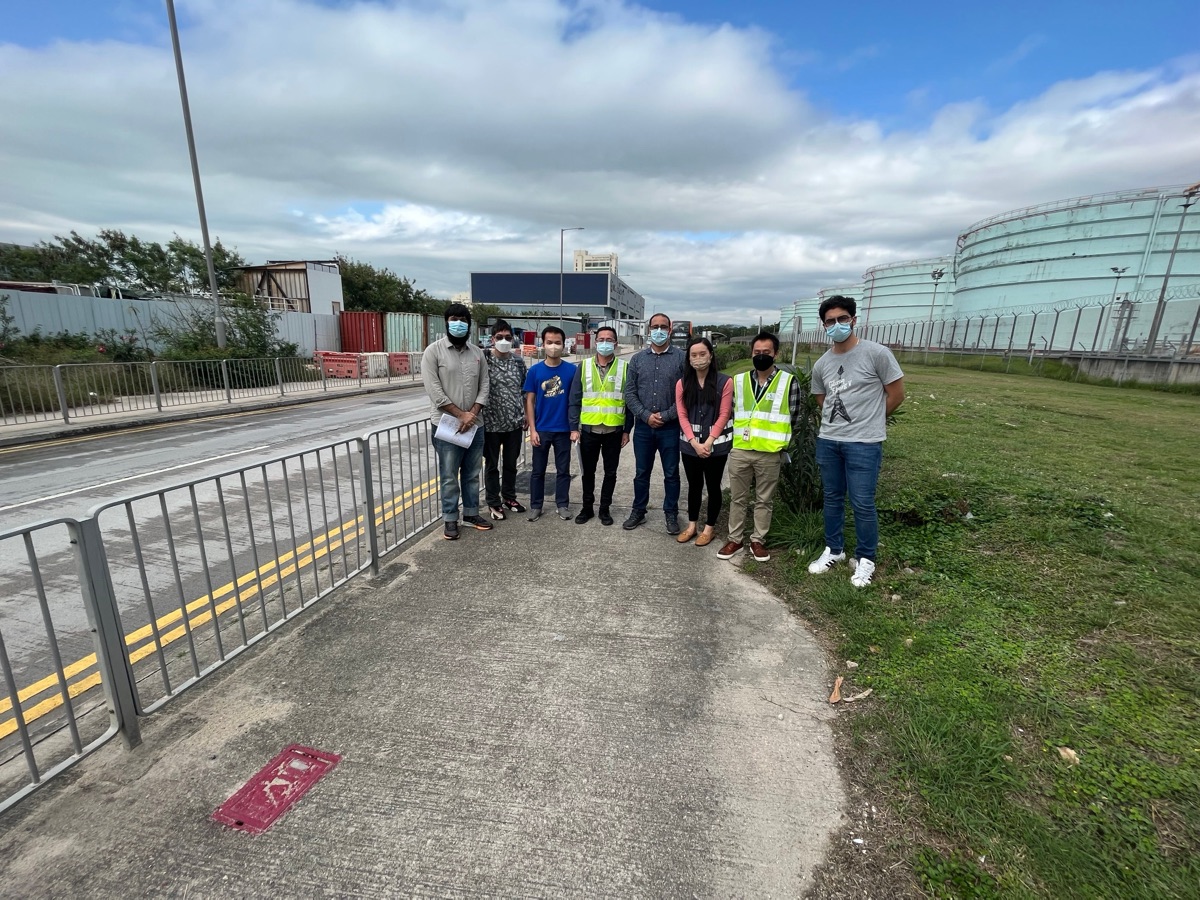
    • Access points and field measurements for transient-based defect detection at Ngau Tau Kok
    • Design and development of access points at the Anderson Road Quarry development site
    • Creation of the Beacon Hill testing facility for time-reversal technology
    More on our WSD work
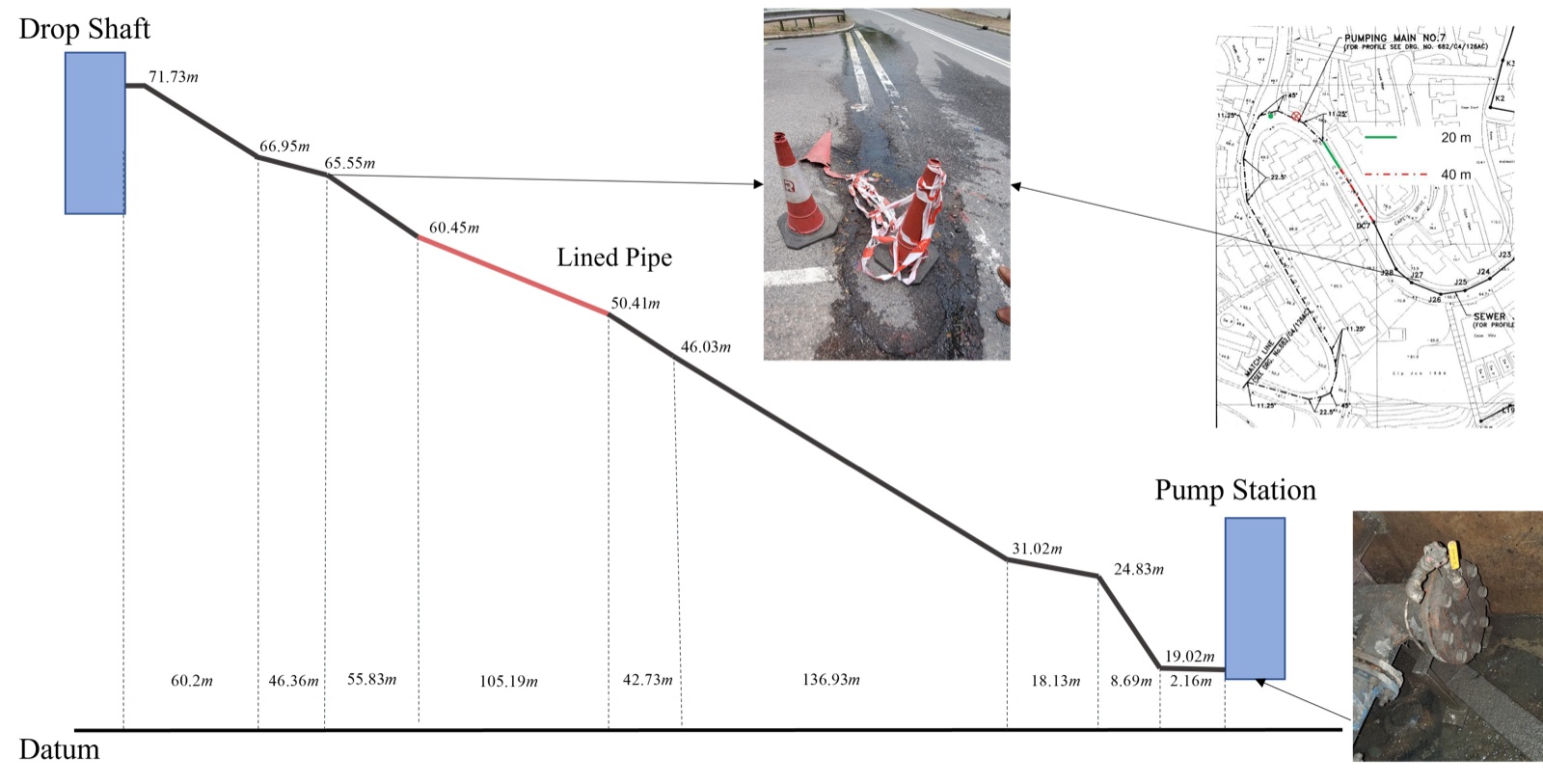
  • Elevation profile of a sewage rising main from a drop shaft down to a pump station, with the lined pipe section marked

    Drainage Services Department

    Condition assessment of sewage rising mains

    Applying transient-based defect detection methods to the rising mains of sewage pump stations.

    • Condition assessment of rising mains at the Deep Water Bay and Penny’s Bay pump stations
    • Real-time data monitoring and assessment
    • Defect detection and pump diagnostics
    • Numerical modelling
    More on our DSD work

R&D and consulting capabilities

  • Transient-based defect detection
  • Condition assessment of pressurised pipes and rising mains
  • Real-time pressure monitoring
  • Pump diagnostics
  • Numerical modelling of pipe networks
  • Design of access points for field testing
View R&D and consulting projects

Scientific leadership

Featured Publications & Patents

Selected peer-reviewed work from more than 80 journal publications in hydraulic engineering, acoustics and signal processing.

  • Journal of Hydraulic Research · 2022

    Time reversal of waves in hydraulics: experimental and theoretical proof with applications

    Grigoropoulos, G., Ghidaoui, M.S., Louati, M. & Nasraoui, S. 60(1), 1–24.

  • Mechanical Systems and Signal Processing · 2023

    Blockage detection in pressurized water-filled pipe using high frequency acoustic waves

    Nasraoui, S., Louati, M. & Ghidaoui, M.S. 185, 109817.

  • Water Resources Research · 2022

    Leak Localization in Looped Pipe Networks Based on a Factorized Transient Wave Model: Theoretical Framework

    Che, T.C., Wang, X., Louati, M. & Ghidaoui, M.S. 58, e2021WR031364.

  • Journal of Hydraulic Engineering, ASCE · 2021

    Numerical Investigation of High Frequency Wave-leak Interaction in Water-Filled Pipes

    Lai, Z., Louati, M., Nasraoui, S. & Ghidaoui, M.S. 147(1), 04020091.

Patents

  • Low-frequency time reversal for transmission linesFiled
  • Low-frequency time reversalIn preparation
  • High-frequency time reversalIn preparation
  • Time reversal using ambient noiseIn preparation

Global network

Our Institutional & Research Partners

Universities, government departments and professional bodies we work with across Hong Kong, mainland China, Europe and North America.

  • The Hong Kong University of Science and Technology
  • Water Supplies Department
  • Drainage Services Department
  • University of Toronto
  • University of Perugia
  • Massachusetts Institute of Technology
  • University of Sheffield
  • Hohai University
  • The Hong Kong Polytechnic University
  • Eindhoven University of Technology
  • Université Grenoble Alpes
  • Beihang University
  • International Association for Hydro-Environment Engineering and Research (IAHR)
  • Pipebots
Meet our collaborators

Connect with our research team

Partner With Us to Build Smarter, Leak-Free Water Infrastructure

Whether you are a water utility operator seeking condition assessment, an academic researcher exploring wave acoustics, or a prospective postgraduate student, our team is ready to collaborate.

Office
Rm 3573, Department of Civil and Environmental Engineering, The Hong Kong University of Science and Technology, Kowloon, Hong Kong
Email
Ms. Spencer Wong, spencerw@ust.hk
cc: mzlouati@ust.hk
Faculty
Prof. Mohamed S. Ghidaoui, Chair Professor
Dr. Moez Louati, Research Assistant Professor and Lab-Field Services Manager